Staying home, through every part of this journey.
When a terminal diagnosis enters your family's life, most people want one thing — to be at home, with the people they love, for as long as possible. The Good Companion makes that possible. We provide personal care, overnight support and daily living assistance alongside your hospice and medical team — from diagnosis right through to end of life.
No obligation · End-of-Life Pathway funding available · DVA accepted
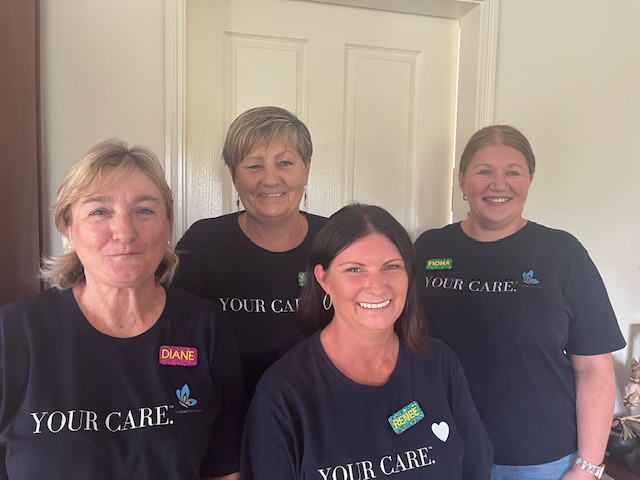
“Most Australians — 60 to 70 per cent — say they want to die at home, surrounded by family and familiar comforts. With the right support, most people can. That is what we are here for.”
The Good Companion Australia · Palliative Care at Home · Queensland, WA & Victoria
We work across the whole journey — not just at the end
Palliative care begins at the time of a serious diagnosis and continues through every phase — adjusting as needs change, always centred on comfort, dignity and quality of life. The Good Companion supports families at every stage.
Diagnosis & Early Support
A terminal diagnosis changes everything, often suddenly. In the early weeks and months, many people remain quite well — but the emotional weight on the family is immediate. This is when practical, consistent support makes an enormous difference to daily wellbeing and family capacity.
Living Well With Illness
As the illness progresses, your loved one may experience increasing fatigue, reduced mobility and changes to appetite or cognition. They remain at home and want to remain engaged in life — their routines, their interests, their relationships. This phase can last months.
Increasing Care Needs — Overnight Support
As care needs increase, nights often become the hardest part. Falls risk, pain, confusion and anxiety are more common in the dark hours. Family carers reach exhaustion. Overnight support becomes essential — both for safety and for family sustainability.
Working Alongside Hospice & Government Palliative Nurses
Most palliative care is delivered by a team — the GP managing symptoms, government-funded specialist palliative nurses visiting regularly, and a hospice team providing clinical oversight. This team covers clinical care. The hours between clinical visits — the majority of every day — need a trusted, experienced, consistent presence.
End-of-Life Care at Home
When a person enters the final days and weeks of life, the priority is comfort, dignity and presence. Most families do not need clinical nursing in this moment — they need calm, experienced hands that know the person, know the family and know what to do. This is also when the End-of-Life Pathway funding (up to $25,000) becomes available.
We are part of the team. Not apart from it.
Specialist palliative care is government-funded and delivered by clinical professionals. Our role is to complement that care — filling the majority of hours when the nurse or GP is not present, with a consistent, experienced carer who knows your person.
Your GP & Specialist Medical Team
Your GP manages medications, symptoms and specialist referrals. Our carers work from the GP-endorsed care plan, report any changes to the coordinator immediately and never make clinical decisions — they refer them. Fast, reliable communication between the carer and the clinical team is part of how we work.
Government-Funded Palliative Care Nurses
State and territory palliative care services provide specialist nurses who visit regularly — assessing symptoms, managing medications and providing clinical oversight. These visits are Medicare-funded. Our carers provide support during all the hours between those visits, which represent the majority of every day.
Hospice Teams
Hospice services provide specialist end-of-life expertise, 24-hour phone access and emergency clinical support. The Good Companion works directly alongside hospice teams — providing personal care, overnight presence and daily support during all the hours the hospice team coordinates but does not deliver in the home.
Palliative support services — tailored to where you are in the journey
Services adjust as needs change. You do not need to start again or find a new provider when things get harder — we scale with you.
Personal Care & Comfort
Showering, dressing, grooming, continence management and repositioning — all delivered with patience and dignity. Never rushed. Pace determined by the person, always.
Meal Preparation & Nutrition Support
Preparing food that is appealing, manageable and appropriate to changing appetite. Shared mealtimes that maintain connection. Texture modification as needed.
Medication Reminders & Observation
Medication reminders at the right times. Carers observe and report changes in condition, pain expression, appetite, mobility or cognition — immediately escalating to the coordinator and clinical team.
Companionship & Presence
A familiar face. Conversation when it is welcome. Quiet company when it is not. The ability to sit with someone without needing to fix anything. One of the most important parts of palliative care at home.
Overnight Care — Sleepover & Active
A trained carer sleeping in the home, or awake throughout the night for higher-need situations. For family carers, knowing there is someone present overnight changes everything — physically and emotionally.
24-Hour Live-In Support
Round-the-clock dedicated care at home for those in the final stages of illness. A small, consistent team of employed carers who know the person — coordinated by a named senior coordinator and aligned with the clinical care plan.
Domestic Assistance
Keeping the home clean, comfortable and safe — laundry, light cleaning, shopping. Allowing family members to focus their energy on being present rather than managing the household.
Family Carer Respite
Family carers need to rest and recover. Regular relief allows them to sleep, sustain the commitment — often for months — and to be fully present as family when they are there, rather than as exhausted carers.
Consistency is not a luxury in palliative care. It is essential.
An unfamiliar carer at this stage of a person's life is not just inconvenient — it is distressing. We provide employed carers, matched from the beginning, who remain consistent throughout the journey.
What The Good Companion provides
- Employed carers — directly employed, not from a gig platform
- The same carer throughout the entire journey — matched from day one
- Named senior coordinator — part of the clinical communication team
- Carers trained in palliative and end-of-life care approaches
- Support at Home End-of-Life Pathway funding accepted — $25,000
- DVA Gold Card and White Card accepted
- NDIS registered — for palliative care in younger people with disability
- 24-hour care, overnight, hourly and live-in — all service levels
- Care portal — real-time carer notes visible to family, hospice and GP
Our commitments to every palliative family
- The same carer — introduced before care begins, consistent throughout
- Immediate escalation — any change in condition is reported promptly
- Coordinator always reachable — not a call centre, a named person
- Care that adjusts as needs change — without starting over
- Respectful, unhurried care — pace is determined by the person, always
- Family kept informed and included — this is their journey too
- No exit fees — change or pause arrangements at any time
We understand that trust is not given at the beginning of a palliative care arrangement — it is built, over time, by a carer who shows up consistently, who notices the small things, and who treats your person as a person.
Up to $25,000 in government-funded palliative support — available from 1 November 2025
Australia now funds a dedicated End-of-Life Pathway under the Support at Home program — providing real financial support for older Australians who want to remain at home in their final months.
What the pathway funds
Personal care, domestic assistance, nursing support, allied health, equipment and overnight care. Funding is flexible and tailored to individual needs within the Support at Home service list.
Clinical care is separately funded
Specialist palliative nurses, GP visits and clinical management are funded by Medicare and state health systems — free and separate from the $25,000. The pathway funds practical support, not clinical services.
Fast-tracked — 48-hour approval
Unlike standard aged care, the End-of-Life Pathway is treated as urgent. Approval turnarounds of 48 hours have been reported. Your GP completes the form, and care can begin within days of approval.
How to access the End-of-Life Pathway
Available to people aged 65 and over (50+ for Aboriginal and Torres Strait Islander people, or those who are homeless or at risk of homelessness) who have an estimated life expectancy of three months or less, an AKPS score of 40 or below, and who wish to remain at home. Each person can access the pathway once. If they outlive the funding period, they transition to an ongoing Support at Home classification. Call us — we can help you understand eligibility and how to initiate the process.
Palliative care at home is a family experience. We support everyone.
When someone you love is dying at home, the burden falls on the whole family. Our support is designed to sustain the family as much as the person receiving care.
Rest for family carers
Caregiver exhaustion is one of the most common reasons a person cannot remain at home. Regular overnight support and daytime relief allow family members to sleep, recover and sustain the commitment — often for months.
Reliable, direct communication
Your coordinator is a named person — not a call centre. Family members can call or message directly and receive a direct response. During palliative care, communication that is fast and honest is not optional.
Visibility via the care portal
Family members living interstate or overseas can access real-time carer progress notes via our optional care portal. Know what happened overnight. Know how meals went. Know your person is not alone.
Consistency the family can count on
The same carer, every visit, who knows your family's story — the preferences, the routines, the things that matter. Consistency reduces anxiety for the person receiving care, and for everyone around them.
Care that adjusts without disruption
When the situation changes — and it will — your care plan adjusts with it. No need to explain the history to a new provider. The same coordinator, the same carers, more support.
Supporting the family to be family
When the cooking, cleaning, showering and medication reminders are covered by someone else, family members can be present as family — holding a hand, having a conversation, being there.
What families say
These words come from families who trusted us with their most difficult and precious time.
“Thank you very much. You have no idea how much I appreciate the service you provide and at such short notice. There is no one else like you — NO STRESS. Jessica rang me this evening to introduce herself and I feel totally at ease with her being with Mum overnight.”
“The Good Companion provided overnight care for our Mum. The TGC team were easy to work with and I felt they really cared that Mum was comfortable and well looked after. They were very professional and compassionate.”
“We were struggling after Dad's passing to manage Mum's re-engagement in living on her own. The carers have provided much-needed support and reassurance for us all. Mum really looks forward to your visits — she has come to know and trust you well.”
What families ask about palliative home care
What is the difference between palliative care and end-of-life care?+
Does my loved one need to be close to dying to access The Good Companion's palliative support?+
What is the Support at Home End-of-Life Pathway and how do we access it?+
What does the End-of-Life Pathway funding cover?+
How does The Good Companion coordinate with hospice or palliative care nurse teams?+
What happens if care needs increase quickly during palliative care?+
Is palliative home care available for people under 65?+
Do you provide palliative care support in Melbourne, Mornington Peninsula, Perth and Brisbane?+
We are here. Whenever you are ready to talk.
You do not need to have everything worked out before you call. Tell us where you are in the journey — the diagnosis, the current situation, what the family is carrying — and we will tell you honestly how we can help. No pressure, no forms first.
Same-day response · No obligation · End-of-Life Pathway & DVA accepted